Stop Grinding So Hard: The Real Science of Getting Better Results With Less Wasted Energy
The Myth That's Keeping You Stuck
We've all heard it. "No pain, no gain." It's practically stitched into the cultural fabric of American gym life — printed on tank tops, shouted by coaches, and internalized by anyone who's ever felt guilty for taking a rest day. But here's something worth sitting with: what if that mentality is actually the thing slowing you down?
I'm not saying effort doesn't matter. It absolutely does. But how you apply that effort — and when — makes all the difference between a body that keeps adapting and one that quietly plateaus, burns out, or breaks down. This is the core of what I call training smarter, and it's the foundation of everything I build into my programs at Katherine Mason Fitness.
 Photo: Katherine Mason Fitness, via www.schubu.at
Let's dig into the science, because once you understand what's actually happening in your body, the old "more is more" approach starts to look a lot less appealing.
What Your Muscles Are Actually Doing (And What They Need)
Here's the fundamental truth about physical adaptation: your body doesn't get stronger during your workout. It gets stronger afterward, during recovery. When you lift weights or push through a hard run, you're creating controlled stress — microscopic damage to muscle fibers, depletion of glycogen stores, strain on your cardiovascular system. That's not a bad thing. It's the signal your body needs to rebuild bigger, stronger, and more efficient.
But that rebuilding process requires time and resources. Sleep. Nutrition. Rest. Without those, you're essentially sending a renovation crew into a house before the foundation is dry. The work doesn't hold.
This is why the concept of progressive overload is so powerful — and so often misunderstood. Progressive overload means gradually increasing the demands on your body over time: a little more weight, one more rep, a slightly shorter rest period. The key word is gradually. It's not about maxing out every single session. It's about applying just enough new stimulus to keep your body adapting without overwhelming its ability to recover.
Research published in journals like the Journal of Strength and Conditioning Research consistently shows that athletes who follow periodized, structured programming — where intensity and volume are deliberately varied — outperform those who just go hard every day. The grinders, ironically, often end up behind.
 Photo: Journal of Strength and Conditioning Research, via cdn.shopify.com
The Recovery Window: Why Timing Actually Matters
Your body operates on recovery windows, and ignoring them is one of the most common forms of wasted effort I see. After a high-intensity session — think heavy compound lifts or a tough interval workout — your central nervous system (CNS), not just your muscles, needs time to bounce back. CNS fatigue is sneaky. You might feel physically okay, but your coordination, reaction time, and force production are all compromised.
Training hard on a fatigued CNS doesn't just reduce your performance — it increases your injury risk and can actually blunt your gains. You're working harder for less reward.
A smarter approach alternates between high-demand and lower-demand training days. This doesn't mean going easy forever; it means being intentional. A heavy squat day followed by a mobility-focused session or a moderate aerobic workout allows your nervous system to recover while keeping you active and moving forward.
Heart Rate Zones: The Tool Most People Ignore
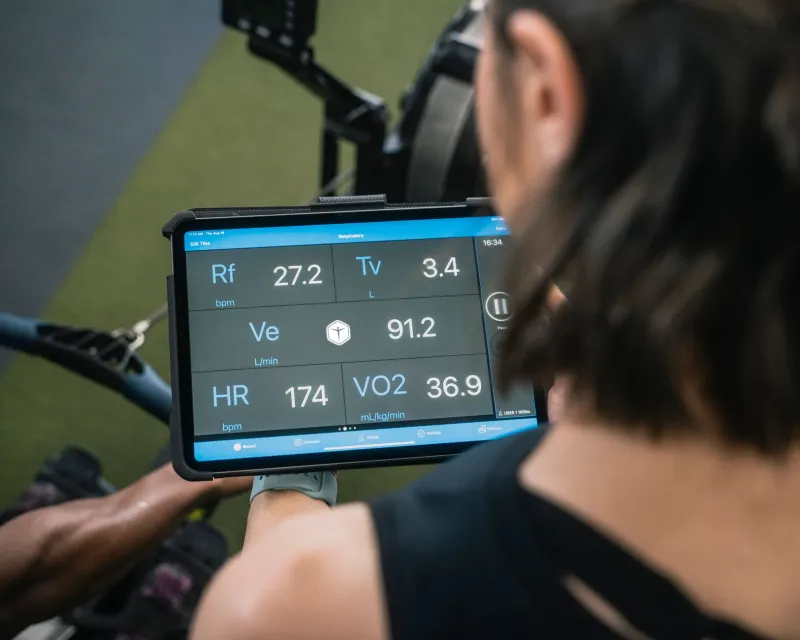
If you're not training with some awareness of heart rate zones, you're probably working harder than you need to — at least some of the time.
Here's the breakdown in simple terms:
- Zone 1-2 (50-70% max HR): Aerobic base building, fat oxidation, active recovery
- Zone 3 (70-80% max HR): Moderate intensity, steady-state cardio
- Zone 4-5 (80-95%+ max HR): High-intensity intervals, anaerobic work
The problem most fitness enthusiasts run into is what researchers call "the moderate intensity trap." They do most of their cardio at a pace that feels challenging but isn't truly intense — hovering in Zone 3, which is hard enough to accumulate fatigue but not hard enough to drive the adaptations that come from Zone 4-5 work. And they rarely dip into Zone 1-2, which is where aerobic base development and recovery happen.
The result? They're always a little tired, never fully recovered, and their cardiovascular fitness stalls out.
A polarized approach — spending most cardio time in low zones with strategic bursts of high intensity — has strong research support for improving endurance performance and body composition without the constant grind.
How to Audit Your Own Routine Right Now
You don't need to overhaul everything overnight. Start with these questions to identify where you might be leaking effort:
1. Are you actually recovering between sessions? If you're sore more days than not, struggling with sleep, or feeling irritable and flat during workouts, those are signs your recovery isn't keeping pace with your training load. Try cutting volume by 20% for two weeks and see what happens. You might be surprised.
2. Do you have a progression plan — or are you just showing up? Random hard workouts aren't a program. If you don't know what you're building toward week over week, you're likely spinning your wheels. Even a simple structure — heavier weights every two weeks, or one extra set per month — gives your body a reason to keep adapting.
3. Are your "easy" days actually easy? This one trips people up constantly. An easy day should feel almost too easy. If your recovery run has you breathing hard or your mobility session turns into another strength workout, you're not actually recovering.
4. When did you last take a deload week? A deload — a planned week of reduced intensity and volume — is one of the most underused tools in fitness. Most serious training programs build one in every 4-6 weeks. If you've never done one, that alone might explain a plateau you've been stuck on.
Training Smarter Is a Long Game
The hardest mindset shift for a lot of people — especially those of us raised on the "push through it" ethos of American hustle culture — is accepting that doing less, strategically, can get you further than doing more, recklessly.
This isn't about being soft or taking shortcuts. It's about respecting how your body actually works and building a relationship with your training that you can sustain for years, not just months.
At Katherine Mason Fitness, this is the whole philosophy. Programs that are built with intention. Recovery that's treated as part of the work. Effort that's applied where it actually counts.
You don't have to earn your rest days. You have to earn your results — and the smartest path there isn't always the most painful one.